


Testador de liberdade de batida KASON-DJD100
- Faixa de medição
1~100 RS
- Valor de graduação do cilindro indicador
1SR
- Peso líquido
Cerca de 30kg
- Tamanho da unidade principal
450×250×1160mm
O testador de grau de batimento (também conhecido como testador de grau de batimento) é projetado com base no fenômeno de que o grau de batimento da polpa é inversamente proporcional à taxa de filtração da suspensão de polpa.
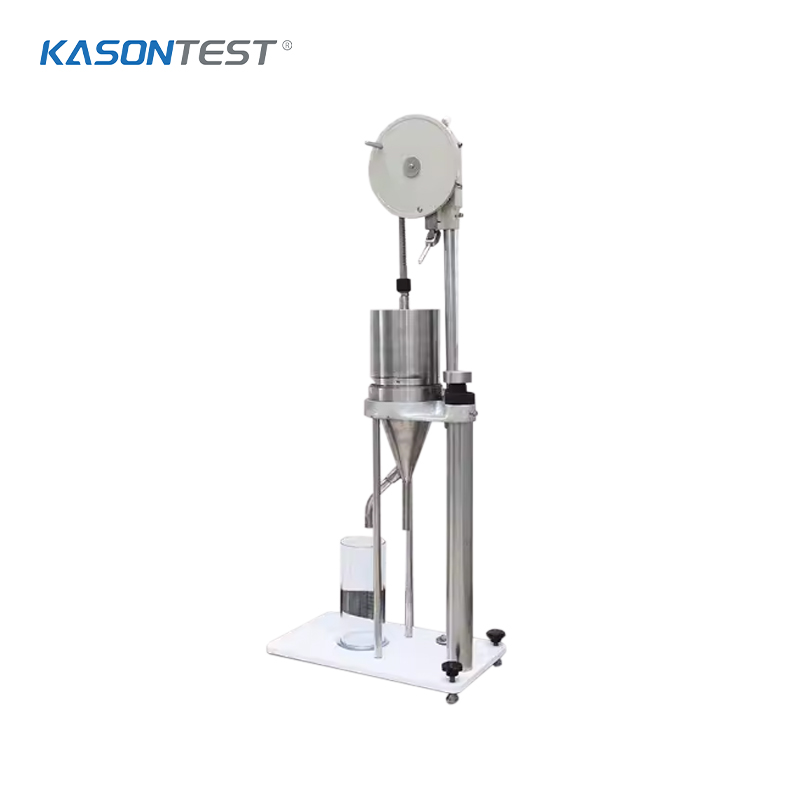
Testador de liberdade de batida KASON-DJD100
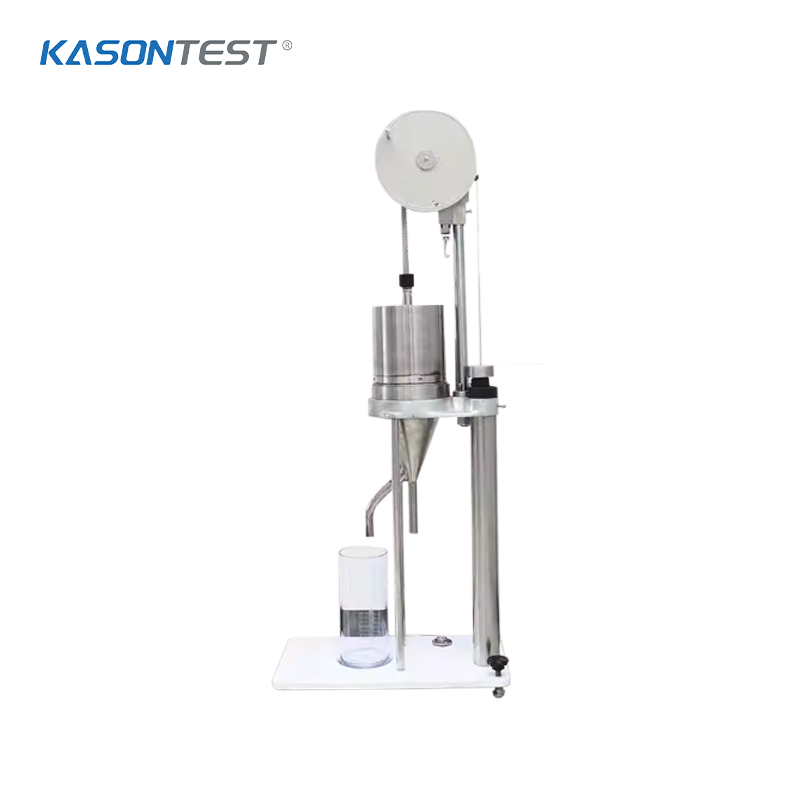
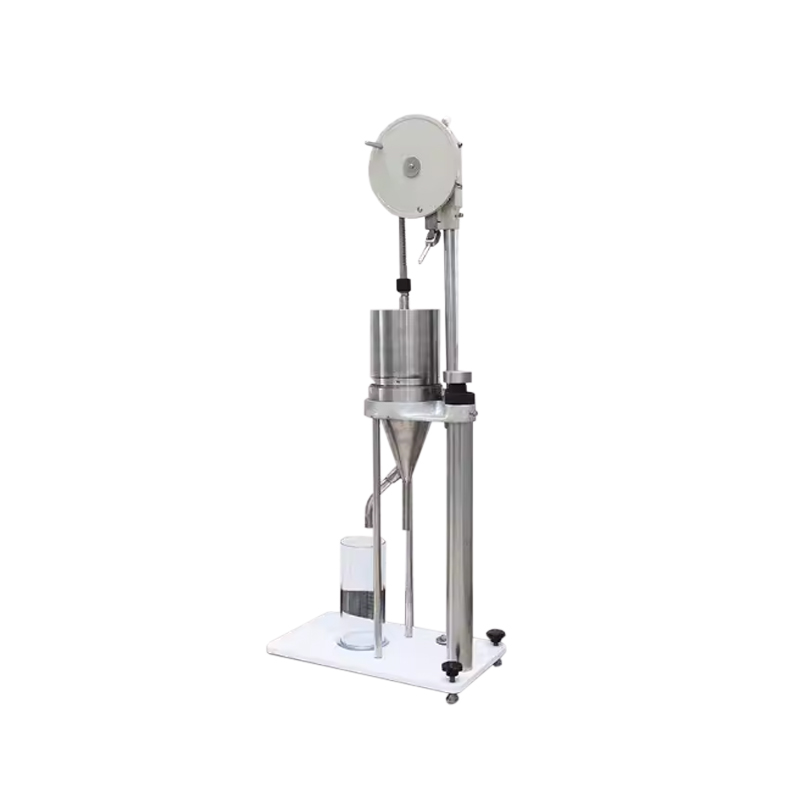
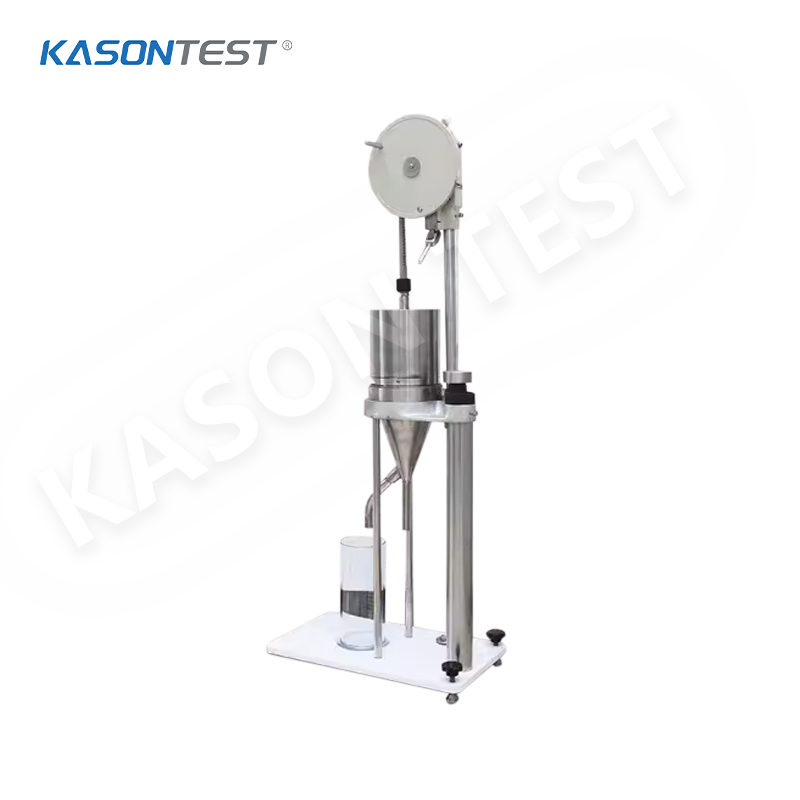
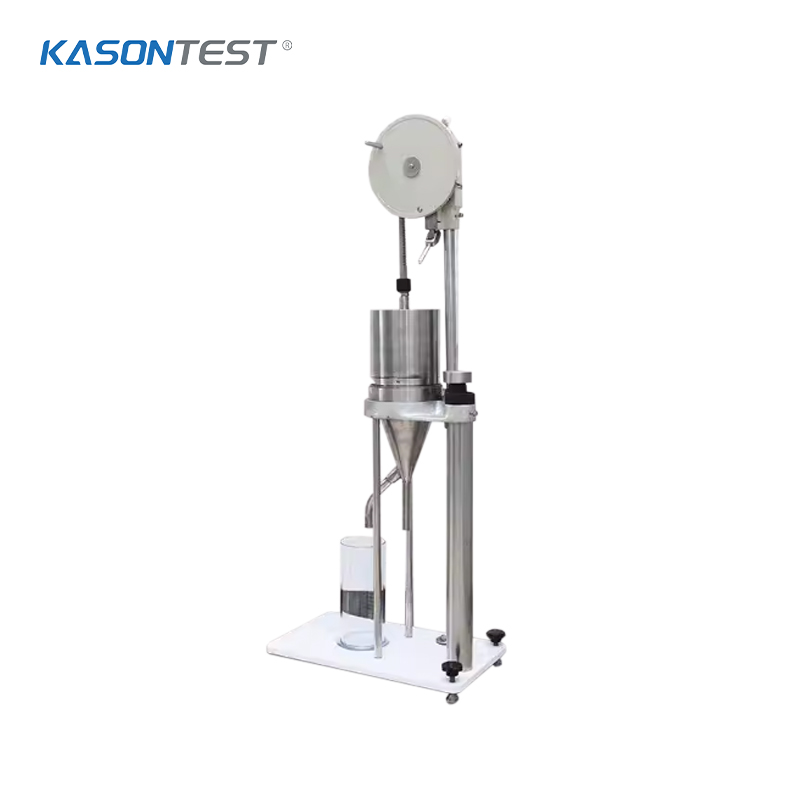
Testador de liberdade de batida KASON-DJD100
O testador de grau de batimento (também conhecido como testador de grau de batimento) é projetado com base no fenômeno de que o grau de batimento da polpa é inversamente proporcional à taxa de filtração da suspensão de polpa.
Obter um orçamentoDetalhe do produto
Introdução
O testador de grau de batimento (também conhecido como testador de grau de batimento) é projetado com base no fenômeno de que o grau de batimento da polpa é inversamente proporcional à taxa de filtração da suspensão de polpa. Ele é modelado a partir do testador de grau de batimento Schubert-Riegeler e é usado para determinar o desempenho de filtração da suspensão de polpa, estudar a condição da fibra e avaliar o grau de batimento da polpa.
Recursos
1. O testador de grau de batimento usa um cone de vedação apertado manualmente.
2. Um mecanismo de nivelamento de três pernas ajusta a centralização do cone de vedação para garantir uma vedação hermética entre o cone e o cilindro.
3. Uma válvula reguladora regula a vazão de água, ajustando assim a velocidade de subida da haste do pistão e, finalmente, a velocidade de subida do cone de vedação.
4. Os principais componentes do instrumento são feitos de aço inoxidável resistente à corrosão de alta qualidade, resultando em uma máquina esteticamente mais agradável, sem ferrugem e durável.
Parâmetros do produto
Modelo | KASON-DJD100 |
Faixa de medição | 1~100 RS |
Valor de graduação do cilindro indicador | 1SR |
Tempo de drenagem da saída de transbordamento | 149±1s |
Volume restante | 7,5~8mL |
A velocidade crescente do cone de vedação | 100±10mm/s |
Condições de teste | Temperatura 10–30°C, umidade relativa não superior a 85% |
Tamanho da unidade principal | 450×250×1160mm |
Peso líquido | Cerca de 30kg |
Padrão | ISO 5267/1 "Culpa - Determinação da permeabilidade à água - Parte 1: Método Schubert-Riegeler" GB 3332 "Determinação da liberdade da polpa" etc. |
Configuração padrão | Unidade principal 1 + Malha de cobre 2 + Anel de borracha 2 + Cilindro de medição 2 + Chave 1 + Documentos técnicos |
Categoria:
| Name | Download |
|---|---|
| Testador de liberdade de batida KASON-DJD100.pdf |
Indústria aplicável

Produtos relacionados

-
Telefone:+86 15910081986
Endereço:NO.4715, JINGSHI WEST ROAD, DISTRITO DE HUAIYIN, JINAN, SHANDONG, CHINA
Mailbox:admin@jnkason.com
-
Equipamento de máquina de teste Análise metalográfica Série de testadores de dureza
Equipamento de teste não destrutivo Instrumento de análise de materiais
©2026 Jinan Kason Testing Equipment Co., Ltd.